September 1, 2026
As winter approaches, contractors and property managers face a critical decision: selecting the proper equipment to clear snow efficiently and profitably. Setting up your first plowing vehicle requires a significant financial investment, and choosing the right blade design determines what types of jobs you can take on. The primary decision most operators face is choosing between a traditional straight blade and a dynamic V-plow. Understanding how each configuration handles different properties, snow densities, and operational demands will help you make the best choice for your new business or fleet expansion.
Understanding the Design and Function of Straight Blades
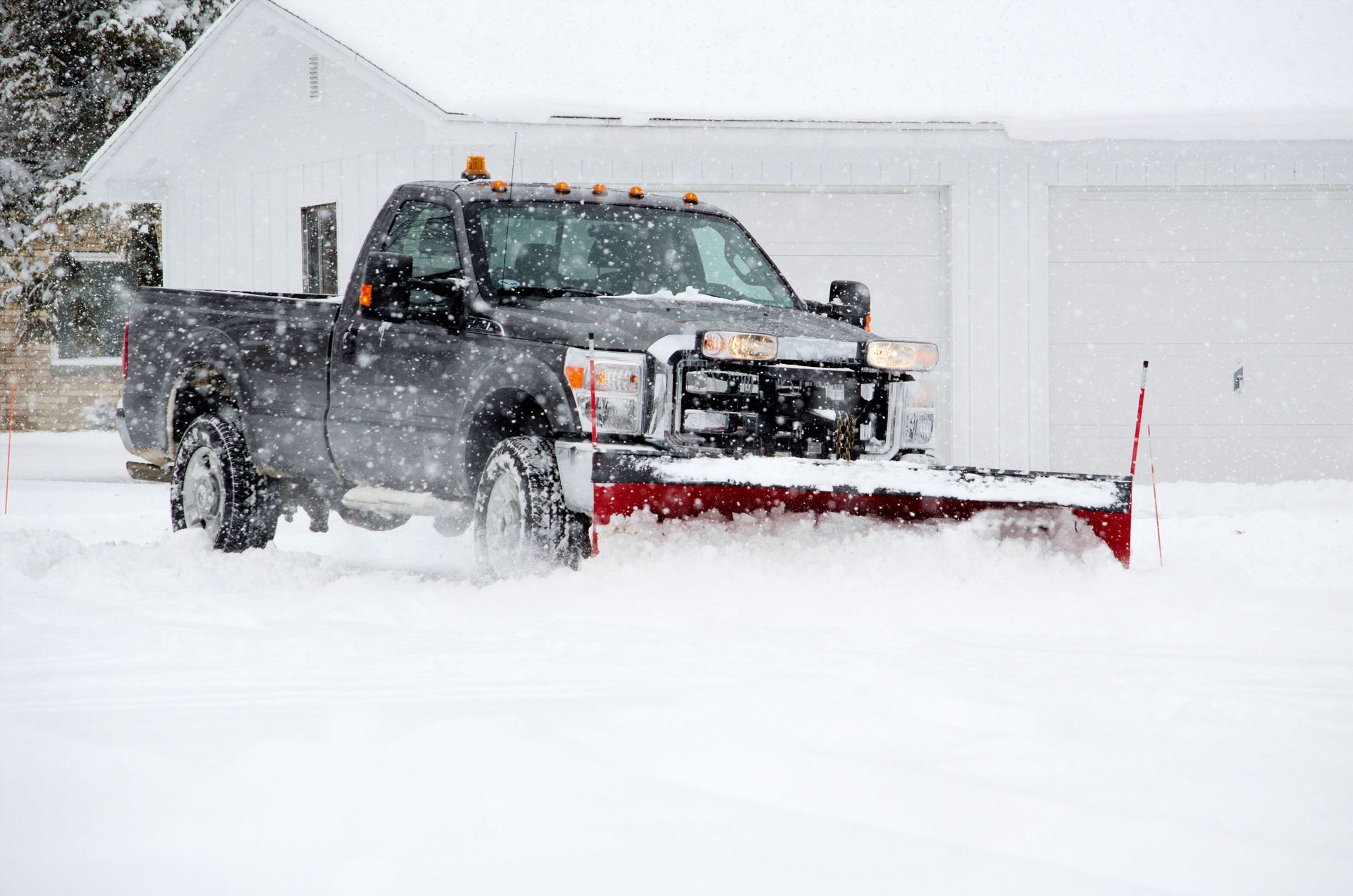
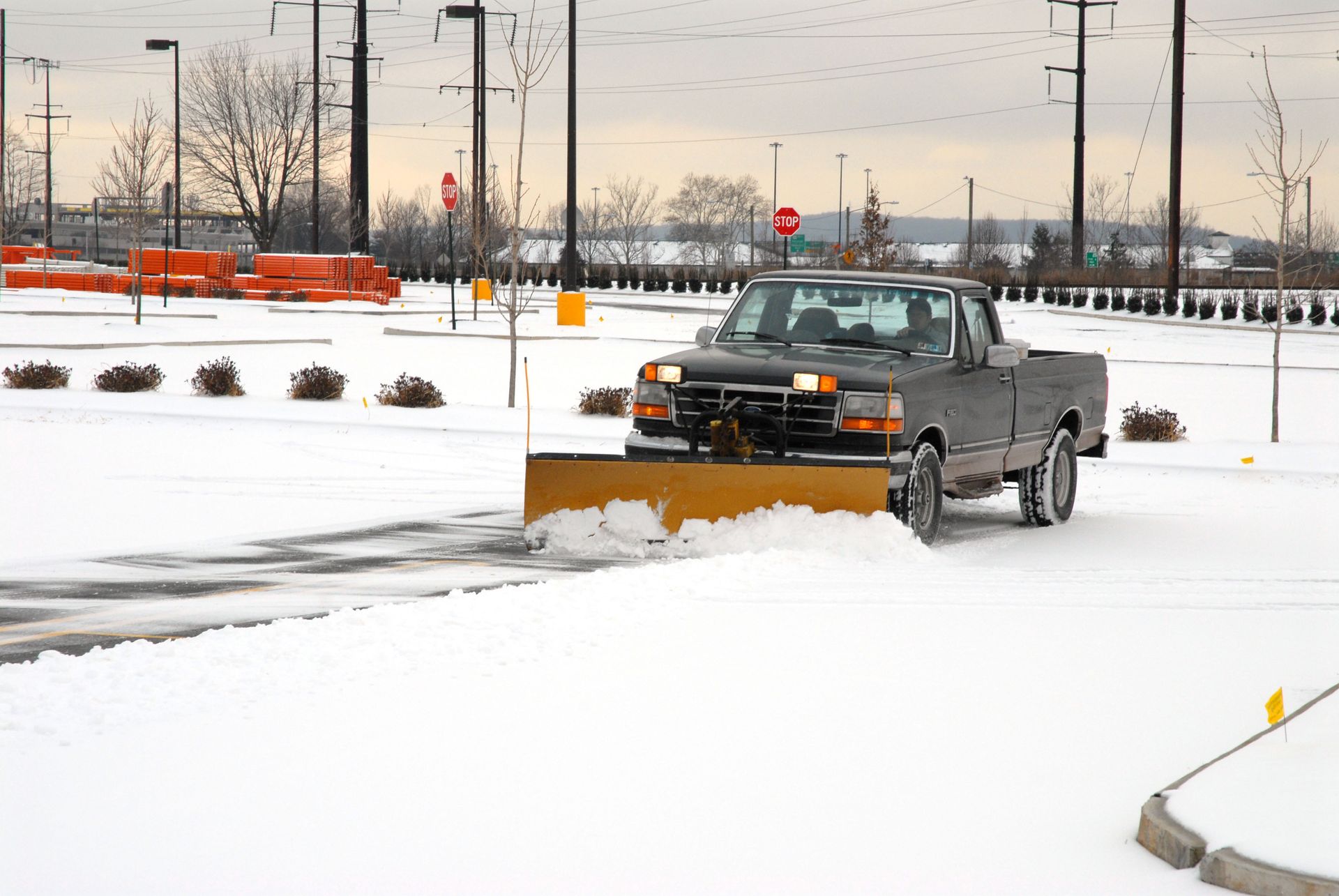
Straight blade plows represent the classic choice for snow removal equipment. Featuring a single, flat moldboard that angles left or right as one solid unit, straight blades offer straightforward mechanical operation and fewer moving parts. This simplicity translates into lower upfront purchasing costs and a much easier learning curve for novice drivers. When angled to one side, a straight blade creates a continuous windrow, pushing snow off to the edge of a driveway or parking lane. For clearing simple, open spaces such as single-lane driveways, small commercial lots, or long straight stretches, a straight blade offers reliable performance without unnecessary operational complexity. Additionally, the lightweight nature of a straight blade minimizes wear and tear on your truck's front end over long winter seasons.
Understanding the Design and Function of V-Plows
V-plows consist of two independent moldboards hinged in the center, allowing the driver to control each side separately from inside the cab. This dual-hinge design enables three primary working positions: a traditional straight angle, a scoop position, and a V-position. In the scoop formation, both wings angle forward to trap large volumes of snow, preventing spillover around the edges when pushing toward a pile. In the V-position, both wings angle backward to form an arrowhead shape, allowing the vehicle to break through hard-packed snowdrifts or heavy, frozen snow at the end of driveways. This multi-position flexibility makes V-plows exceptionally versatile across varying property layouts and changing winter weather patterns.
Evaluating Operational Efficiency Across Different Job Sites
The specific types of properties you plan to service should heavily influence your equipment choice. Straight blades excel on straightforward, open surfaces where you can maintain a steady speed and push snow in a single direction. However, in tight spaces or congested commercial parking lots with numerous islands, curbs, and light poles, straight blades require more maneuvering and multiple passes. A V-plow significantly increases productivity in tight environments because the scoop position allows you to carry snow forward rather than trailing it off to the sides. When clearing large drift accumulations or unplowed access roads, the V-position breaks a path with far less resistance, reducing strain on your vehicle's frame and drivetrain.
Comparing Upfront Costs and Long-Term Maintenance Requirements
Cost is a major factor when setting up a first rig, and straight blades hold a clear advantage in initial affordability. With fewer hydraulic cylinders, simpler wiring harnesses, and a single pivot point, straight blades are less expensive to buy and maintain over time. V-plows feature complex hydraulic manifolds, multiple control valves, and additional structural hinges that require regular inspection and potential service. Regardless of which style you choose, maintaining the wearable components remains vital to protect your investment. According to United Rotary Brush Corporation, keeping your snow plow’s cutting edge properly maintained is essential for achieving optimal operational performance. Inspecting wear items, checking hydraulic fluid levels, and greasing pivot points regularly prevents mid-storm breakdowns and costly vehicle repairs. Keeping spare cutting edges and hydraulic fluid on hand helps prevent lost revenue during sudden mid-storm emergencies.
Assessing Vehicle Weight and Operational Capabilities
Before purchasing any plowing equipment, you must verify your truck's Front Gross Axle Weight Rating to ensure it can safely carry the equipment. V-plows carry more steel, extra hydraulic components, and heavy center hinges, making them substantially heavier than equivalent straight blades. Installing a heavy V-plow on a half-ton or light-duty three-quarter-ton truck can quickly exceed axle limits, accelerate front suspension wear, and void vehicle warranties. Straight blades are generally lighter, making them compatible with a wider variety of light-duty and half-ton pickup trucks. Matching the physical weight of modern snow plows to your specific vehicle chassis prevents dangerous handling conditions and premature mechanical failures during harsh winter operations.
Examining Operator Skill and Hydraulic Control Systems
Operating modern snow plows effectively requires coordination, situational awareness, and quick instincts during long night shifts. Straight blade controls feature simple four-way operation: up, down, left, and right. Drivers can master these basic movements quickly, allowing them to focus on navigating surrounding traffic, curb lines, and hidden obstacles. In contrast, V-plow controllers feature smart functions that allow independent wing movement, scoop configurations, and V-angles. While these options provide superior control over snow movement, they demand more attention and practice from the operator. Beginner drivers may find the complex controls distracting during intense storm events, leading to operational fatigue or accidental property damage.
Analyzing Surface Protection and Trip Mechanism Functionality
Different blade designs incorporate distinct safety features to protect your vehicle and equipment from hidden obstructions beneath the snowpack. When hitting a raised manhole cover, frozen curb, or unseen rock, a plow relies on either a full-trip moldboard or a trip-edge system to absorb the impact. Full-trip straight blades allow the entire moldboard to fold forward over obstacles, preventing violent shocks to your truck frame, though this motion dumps gathered snow back onto the ground. V-plows often utilize trip-edge systems where only the bottom steel edge trips back on springs, allowing the upper blade to hold its load while riding smoothly over minor road hazards. Choosing an equipment setup with the right trip action preserves your vehicle frame, keeps drivers safe from jarring jolts, and prevents costly structural damage to the properties you clear. Understanding how these trip mechanisms perform on uneven pavement will save you time and money over the course of the season.
Managing Severe Winter Climates and Deep Accumulations
Regional weather trends play a huge role in determining which blade design delivers the best return on investment. In areas prone to heavy, wet snowfalls or extreme wind-driven drifting, a straight blade can struggle to break through packed barriers without risking excessive vehicle strain. The angled arrowhead shape of a V-plow slices through deep accumulation easily, dispersing the load evenly across both sides of the push frame. Conversely, in areas that receive lighter, frequent dustings, the added weight and mechanical complexity of a multi-position blade may prove unnecessary. Investing in commercial-grade snow plows tailored to your region's typical storm patterns ensures that your rig handles peak winter conditions without unexpected downtime.
Choosing between a straight blade and a V-plow ultimately depends on your budget, truck capabilities, and target market. If your business focuses primarily on residential driveways, small rural routes, or basic commercial accounts with strict budget limits, a straight blade provides a dependable, cost-effective entry point. If you plan to tackle large commercial accounts, heavy drift conditions, or complex parking lots with limited snow storage space, the added versatility of a V-plow will save valuable time on every job site. Investing in durable commercial snow plows matched correctly to your vehicle guarantees safer winter driving, higher operational efficiency, and better long-term returns as your clearing business grows. To get your vehicle rigged with the ideal setup for this winter season, contact the experts at Colorado Off Road today to find and install the perfect plow for your truck.