April 30, 2026
In today’s competitive fleet management environment, optimizing each vehicle for specific operational needs is essential. Commercial upfits provide benefits ranging from improved efficiency to enhanced safety. By modifying vehicles to suit specific tasks, businesses can streamline operations, reduce costs, and improve overall fleet performance. This article explores why investing in upfits can transform fleet operations, boost productivity, and enhance operational reliability, helping businesses maximize value from every vehicle while ensuring compliance, safety, and sustainability.
Enhanced Efficiency and Performance
Optimized Vehicle Design
Commercial upfits tailor vehicles to specific roles, maximizing utility and performance. Customizing with only necessary equipment eliminates unnecessary weight and clutter, improving overall efficiency. For delivery fleets, utility companies, or small-scale operations, these modifications can streamline tasks, reduce turnaround times, and enhance client satisfaction. For example, a service van outfitted with modular shelving and specialized racks ensures technicians can access tools quickly, cutting down time spent searching for equipment and increasing job completion rates.
Increased Fuel Efficiency
Upfits can reduce fuel consumption by optimizing aerodynamics and weight distribution. Integrating lighter materials and aerodynamic components, like wind deflectors or low-resistance body panels, improves energy efficiency and lowers operating costs. This not only supports sustainability initiatives but also delivers a tangible return on investment through reduced fuel expenses. According to Intel Market Research, the commercial vehicle upfitting market is projected to reach $1.86 billion by 2034, reflecting the growing importance of these enhancements and the widespread adoption of efficiency-focused solutions.
Improved Mechanical Systems
Upgraded mechanical components enhance vehicle performance and durability. Advanced engines and transmission systems improve power and reliability while reducing maintenance needs. By implementing heavier-duty suspensions or specialized drivetrains, vehicles can handle more demanding workloads without compromising safety. With minimized wear and tear, fleets experience fewer breakdowns, maintaining service quality and extending vehicle lifespan. Businesses benefit from consistent operational readiness, which is crucial for meeting delivery deadlines and maintaining customer trust.
Boosted Safety Standards
Advanced Safety Features
Commercial upfits often integrate state-of-the-art safety systems, such as collision avoidance technology, lane departure warnings, blind-spot monitoring, and adaptive cruise control. These features reduce the risk of accidents, protecting both drivers and cargo. For fleets operating in high-traffic areas or harsh conditions, such upgrades are invaluable in preventing costly incidents and ensuring regulatory compliance.
Ergonomic Adjustments
Modifications that improve driver comfort reduce fatigue and the likelihood of accidents. Seats, control panels, and access areas can be redesigned to support correct posture and minimize strain during long shifts. Drivers operating ergonomically optimized vehicles are more alert, efficient, and satisfied with their work environment. Such adjustments are particularly important for industries with extended on-road hours, including logistics, field service, and mobile healthcare.
Visibility Enhancements
Additional mirrors, upgraded lighting systems, and rear-view cameras can greatly enhance driver awareness. Improved visibility not only reduces collision risks but also streamlines daily operations in crowded urban areas or poorly lit job sites. Many of these solutions are included in commercial upfit packages, making them accessible for fleets of any size.
Customization for Industry-Specific Needs
Industry-Specific Equipment
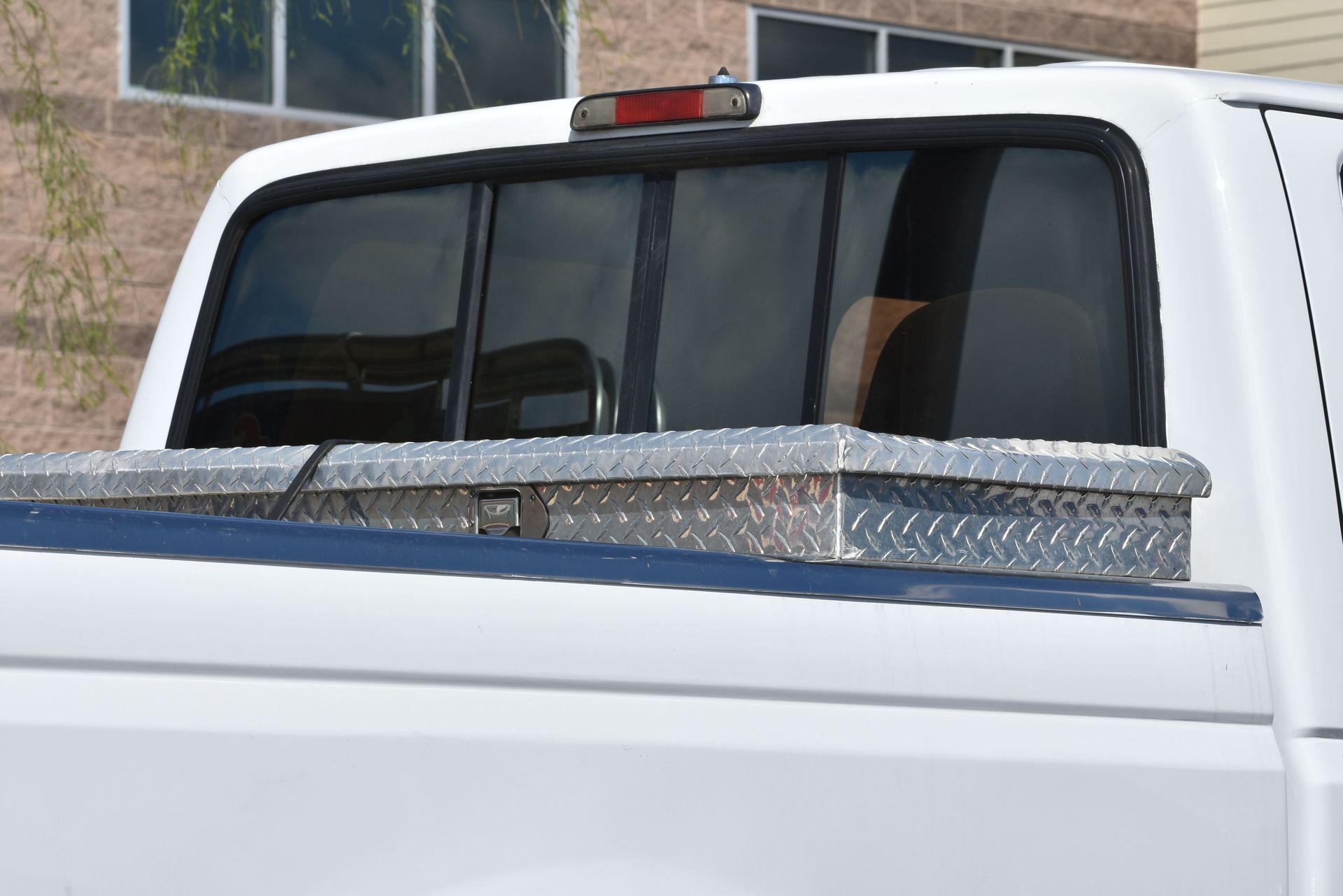
Commercial upfits allow vehicles to be outfitted with specialized tools and equipment tailored to specific industries. Refrigerated storage units for food delivery, secure tool compartments for construction, and mobile workstations for service technicians transform a standard vehicle into a high-functioning operational hub. By aligning vehicles with unique business needs, companies can improve service delivery, reduce operational errors, and boost productivity.
Specialized Interiors
Interior customization enhances workflow and efficiency in vehicles serving specialized purposes. Emergency response vehicles, mobile healthcare units, and mobile offices benefit from interior layouts designed to improve accessibility and ergonomics. Custom interiors ensure essential tools are organized logically, saving time and reducing stress for personnel. This level of personalization also strengthens brand identity by presenting a professional and well-equipped fleet to clients.
Temperature-Control Solutions
Upfits can integrate climate-controlled systems to transport temperature-sensitive cargo safely. Industries such as pharmaceuticals, catering, and floristry rely on precise temperature management to maintain product integrity. Advanced cooling, heating, and insulated compartments protect goods from spoilage or damage, ensuring compliance with regulations and maintaining customer trust. These solutions are increasingly important in a market where rapid, temperature-sensitive deliveries are expected.
Cost Minimization Strategies
Reduction in Operating Costs
Upfitted vehicles operate more efficiently, helping businesses reduce fuel consumption and resource wastage. Investments in optimized designs and technology can pay for themselves through long-term savings. For example, fleet managers can save substantially on fuel by integrating lightweight materials, aerodynamic kits, or route-optimized telematics systems, enhancing profitability without compromising performance.
Lower Maintenance Expenses
Commercial upfits often enhance durability, leading to fewer breakdowns and lower repair costs. Predictive maintenance tools included in modern upfitting packages can alert managers to potential issues before they become critical, reducing downtime and keeping fleets operational. This proactive approach to vehicle management supports higher reliability and consistent service delivery.
Fleet Management Efficiencies
Upfits can simplify fleet management through technology integration and organized vehicle layouts. Advanced telematics tracks vehicle performance, monitor driver behavior, and provide real-time insights for smarter decision-making. With improved data, managers can optimize routes, plan maintenance, and allocate resources effectively, ensuring a responsive and efficient operation that enhances client satisfaction.
Environmental and Sustainability Benefits
Lower Emissions Output
Engine and drivetrain optimizations through upfits can reduce greenhouse gas emissions, supporting corporate sustainability initiatives. Efficient fuel combustion and alternative energy integration decrease environmental impact while helping companies meet evolving regulatory standards.
Eco-friendly Materials and Components
Modern upfits increasingly incorporate renewable, recyclable, and low-impact materials. Choosing eco-friendly components aligns with corporate sustainability goals and demonstrates social responsibility, which is appealing to environmentally conscious clients and partners.
Integration of Alternative Fuels
Vehicles can be modified to accommodate alternative fuels, including electric, hybrid, and compressed natural gas options. Retrofitting existing fleets for cleaner energy reduces dependence on fossil fuels and positions businesses as forward-thinking leaders in sustainability. This transition also ensures operational continuity as emission regulations tighten.
Improved Driver Satisfaction and Retention
Enhanced Comfort and Amenities
Customizing interiors with driver comfort in mind boosts morale and productivity. Features such as ergonomic seating, climate control, and soundproofing reduce fatigue and make long shifts more manageable. Satisfied drivers are less likely to leave, reducing turnover and preserving operational expertise within the fleet.
Technology Integration
Incorporating advanced GPS navigation, communication systems, and infotainment options enhances operational efficiency and driver engagement. Drivers equipped with the latest tools can navigate routes more effectively, coordinate with dispatch seamlessly, and stay connected on the road.
Work-Life Convenience Features
Features like accessible storage, cleaning stations, and organized tool compartments simplify daily tasks and reduce strain. These thoughtful improvements signal that a company values its drivers, encouraging loyalty and retention while supporting a more efficient workforce.
Commercial upfits offer numerous advantages across operational, financial, environmental, and human resource dimensions. From improving efficiency and safety to reducing costs, supporting sustainability, and boosting driver satisfaction, upfitting is a strategic investment for any fleet. Businesses that leverage these solutions can maintain a competitive edge, enhance service quality, and future-proof operations. With market projections estimating the commercial vehicle upfitting market to reach $1.86 billion by 2034, the importance of investing in tailored fleet solutions has never been clearer. For companies seeking smarter, safer, and more productive fleet management, commercial upfits are an essential tool for long-term success. For more information, contact Colorado Off Road.